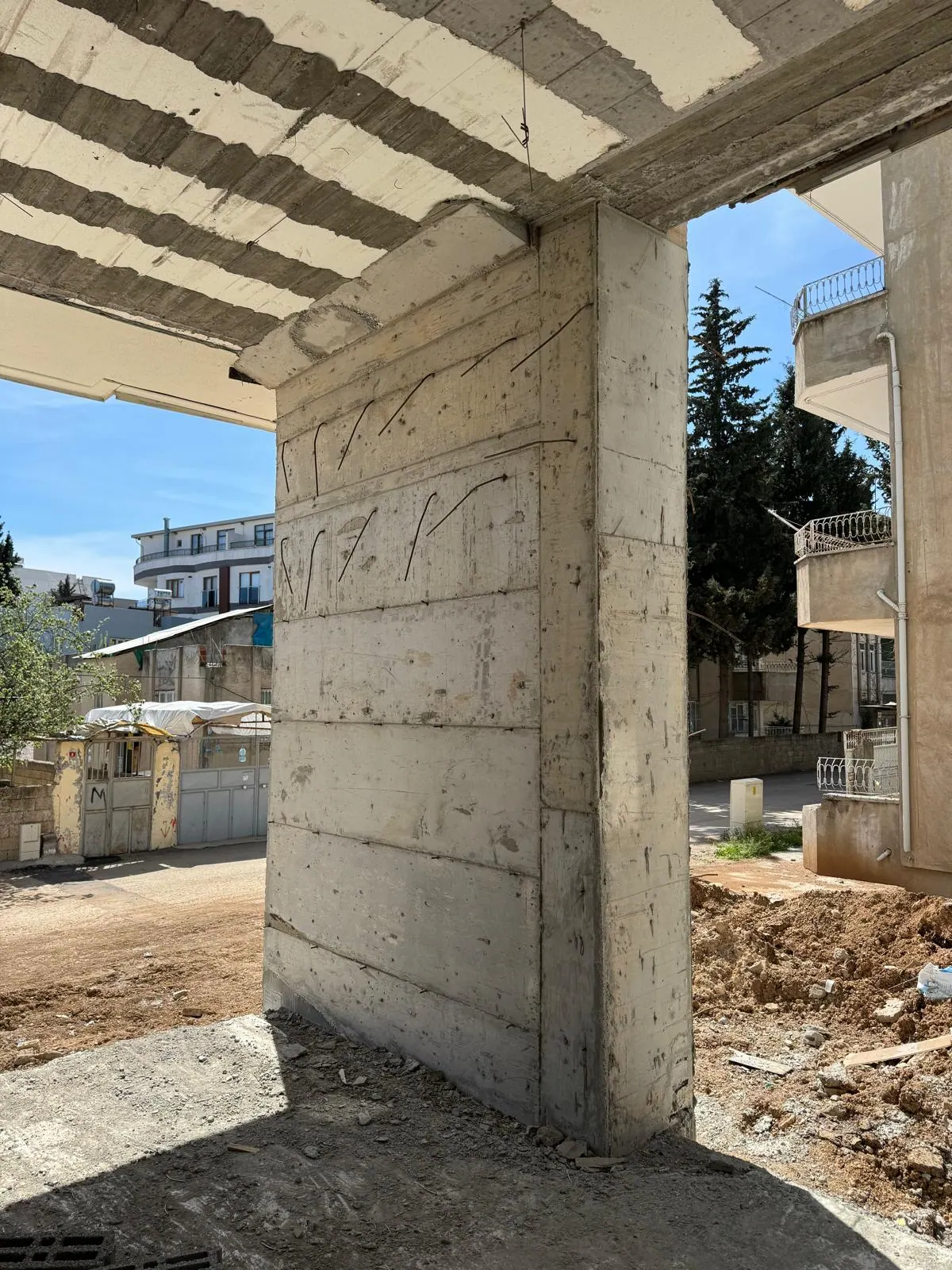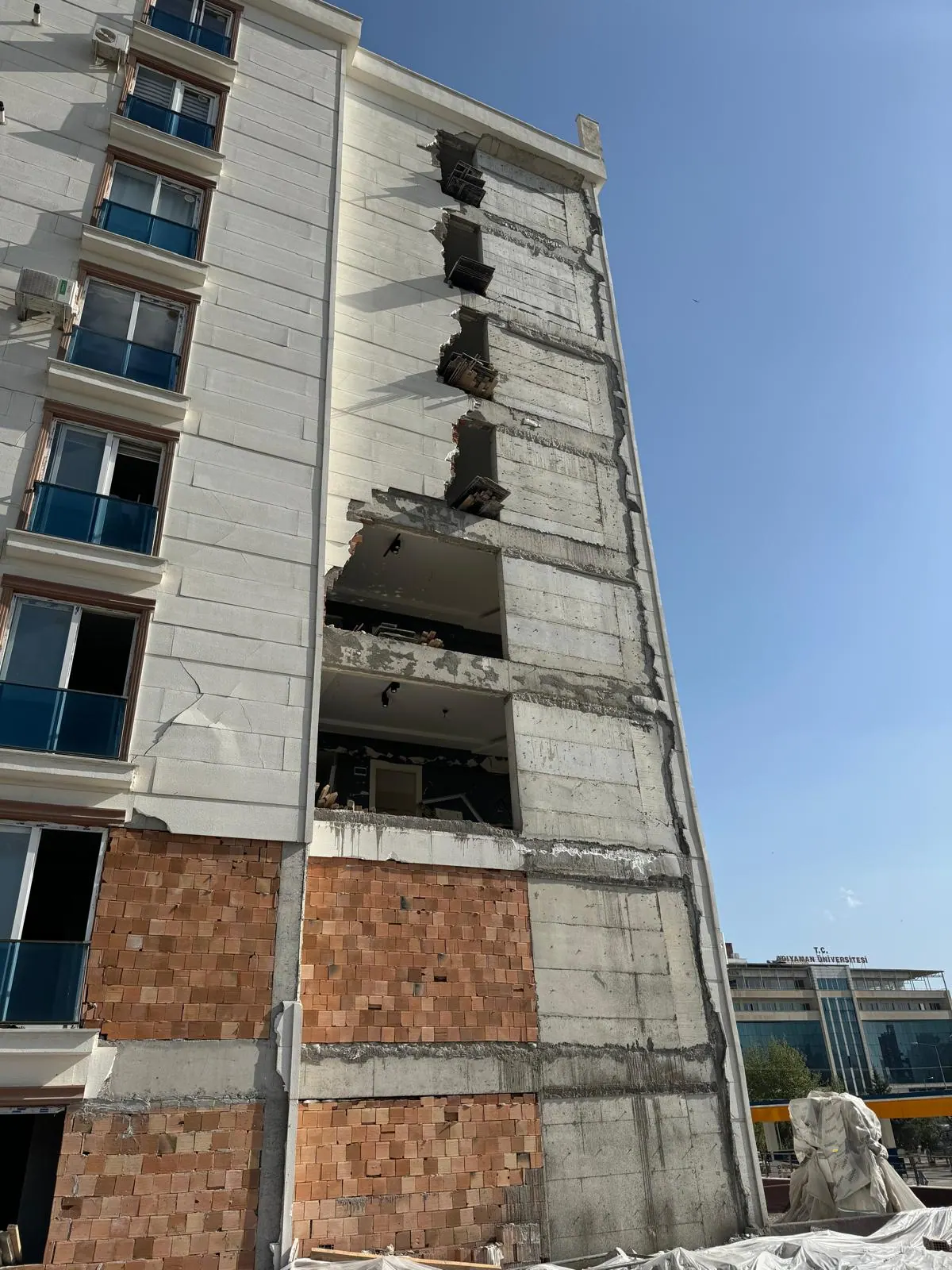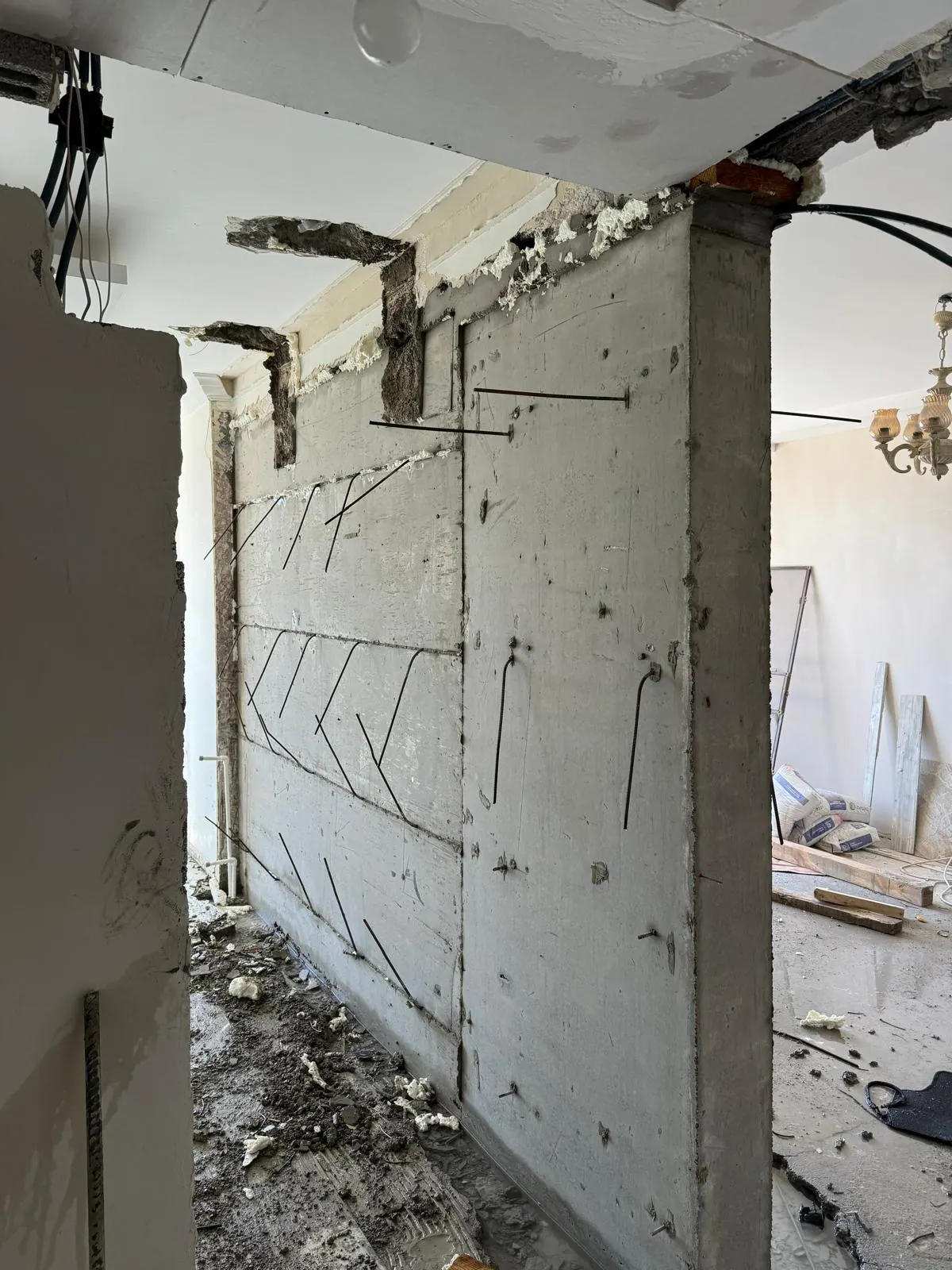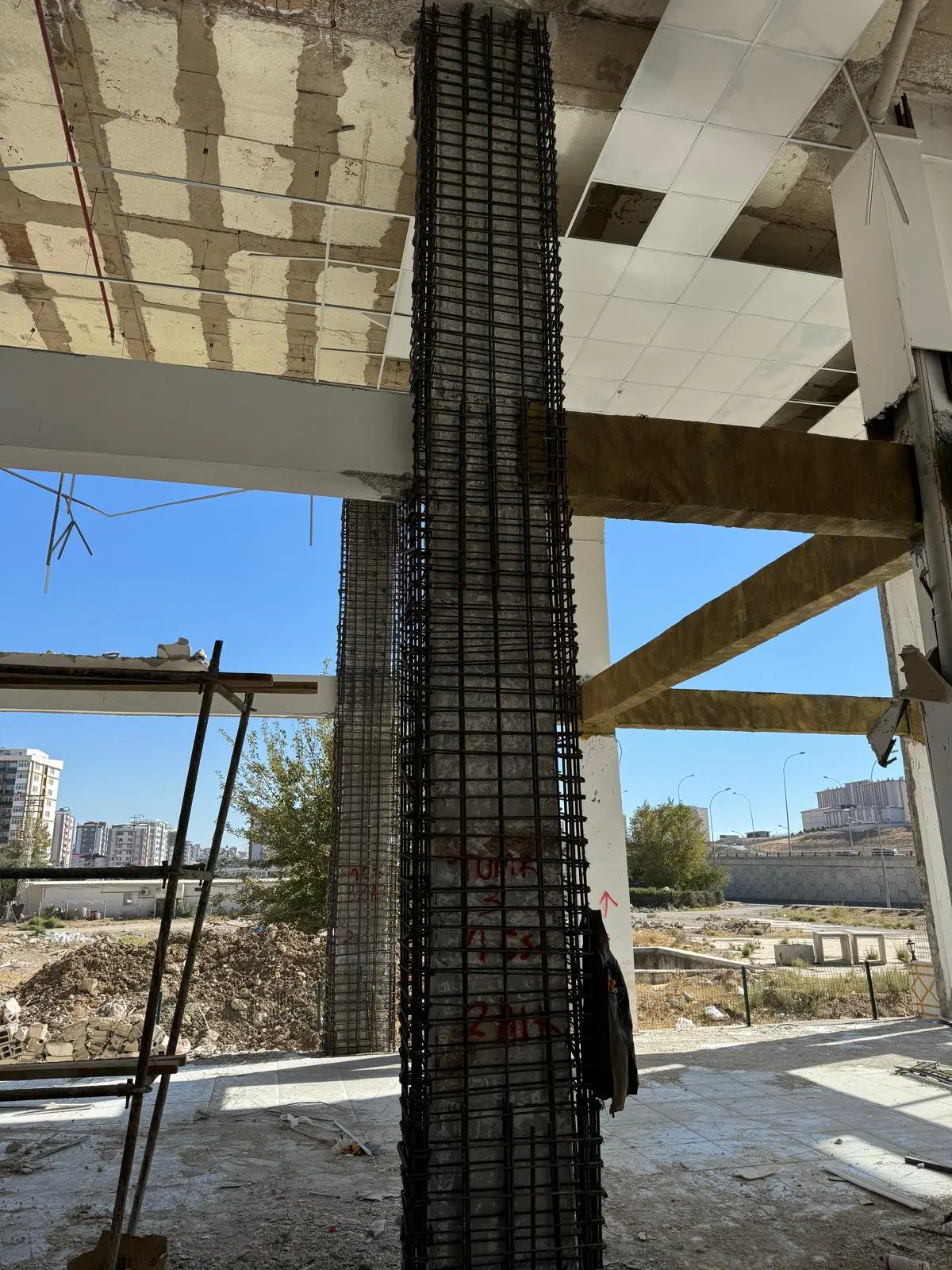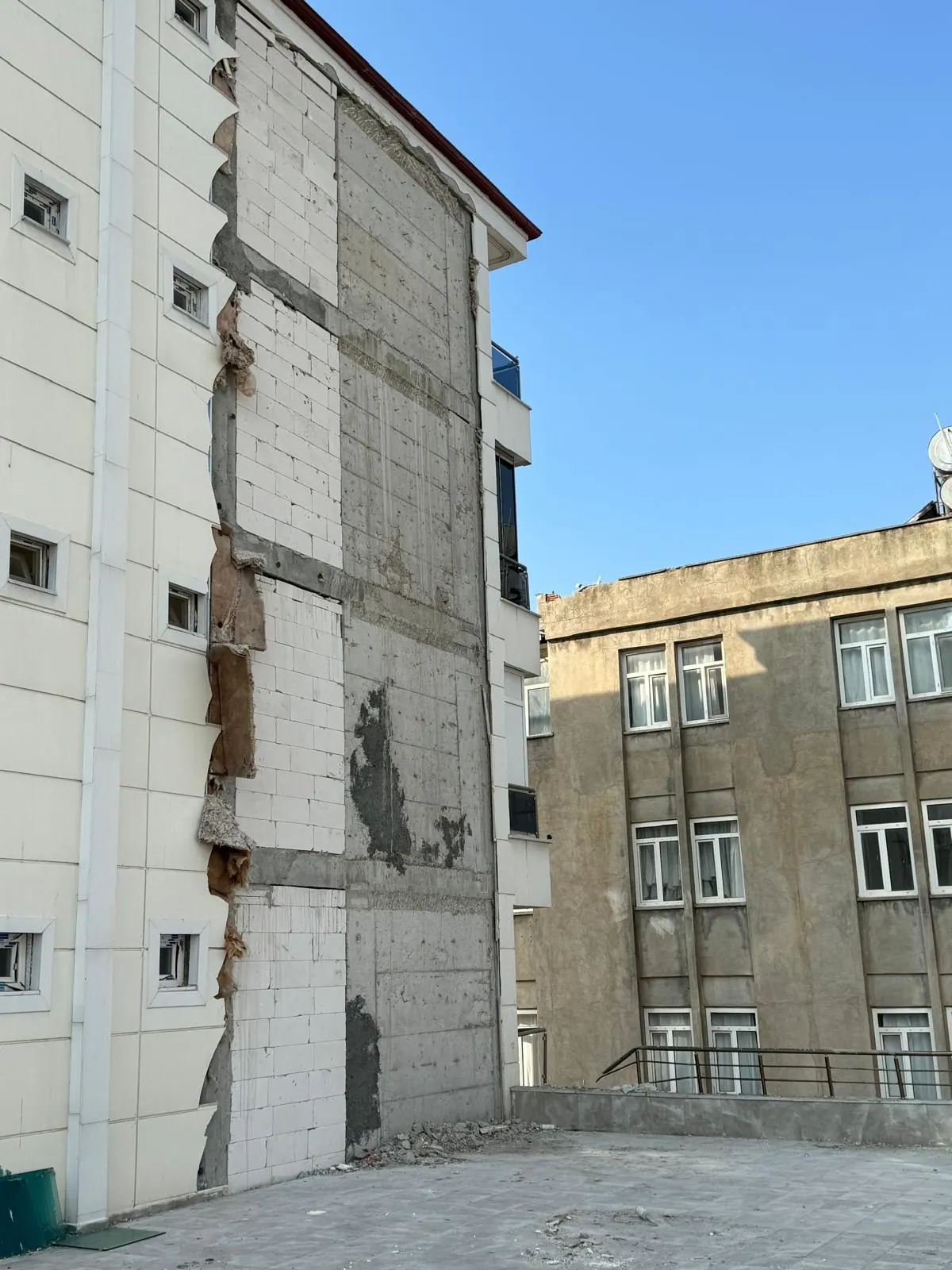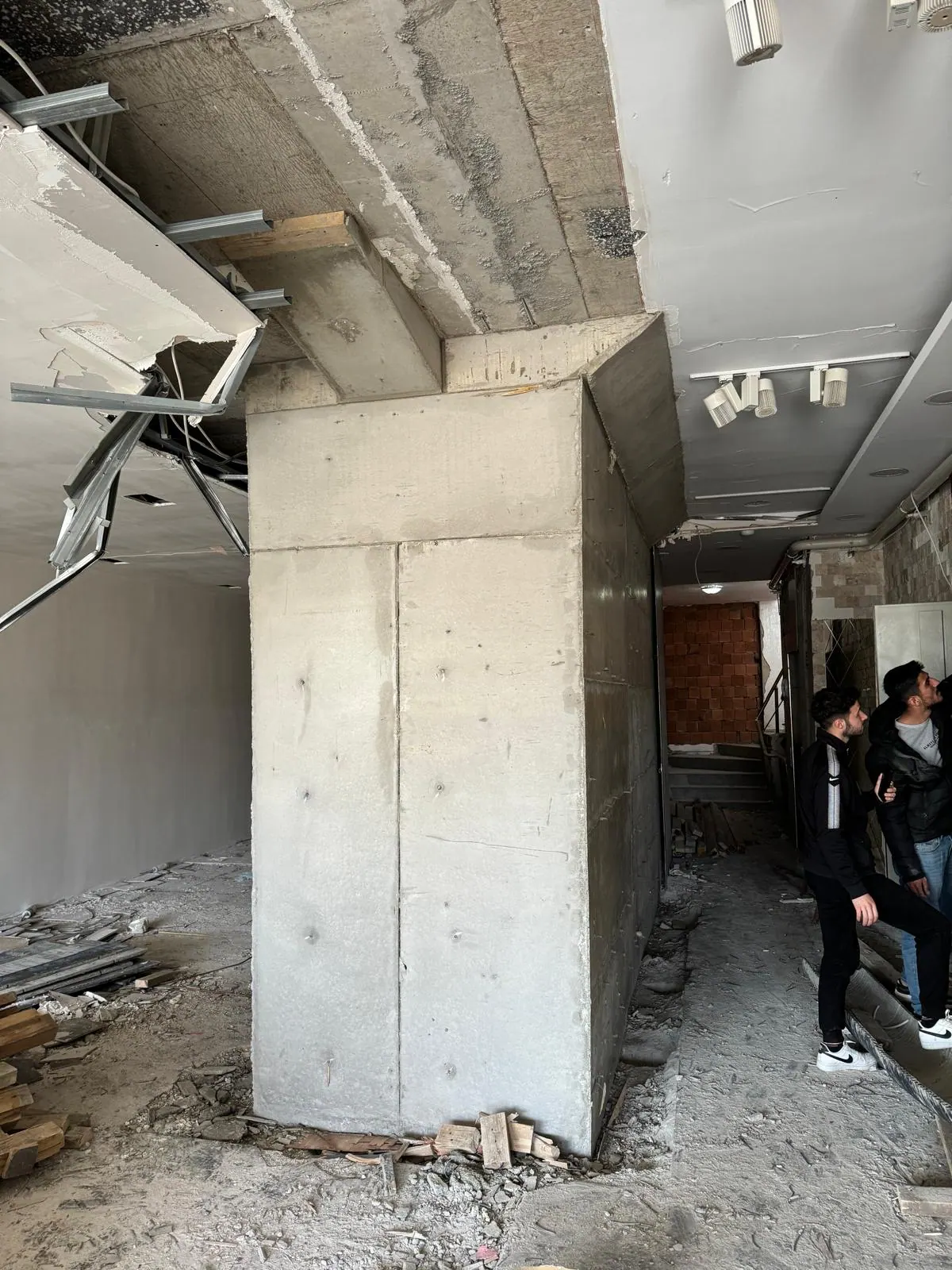
Meva1 Mühendislik building strengthening work — field photo 22
Building Strengthening

We make existing buildings earthquake-ready

Without demolition, without forced evacuation — we increase load-bearing capacity and bring seismic resistance up to the 475-year design level through jacketing, FRP wrapping, steel belts and foundation reinforcement.

  • 40+ Completed Strengthenings
  • 6 Active Methods
  • 475 Year Seismic Design
Philosophy

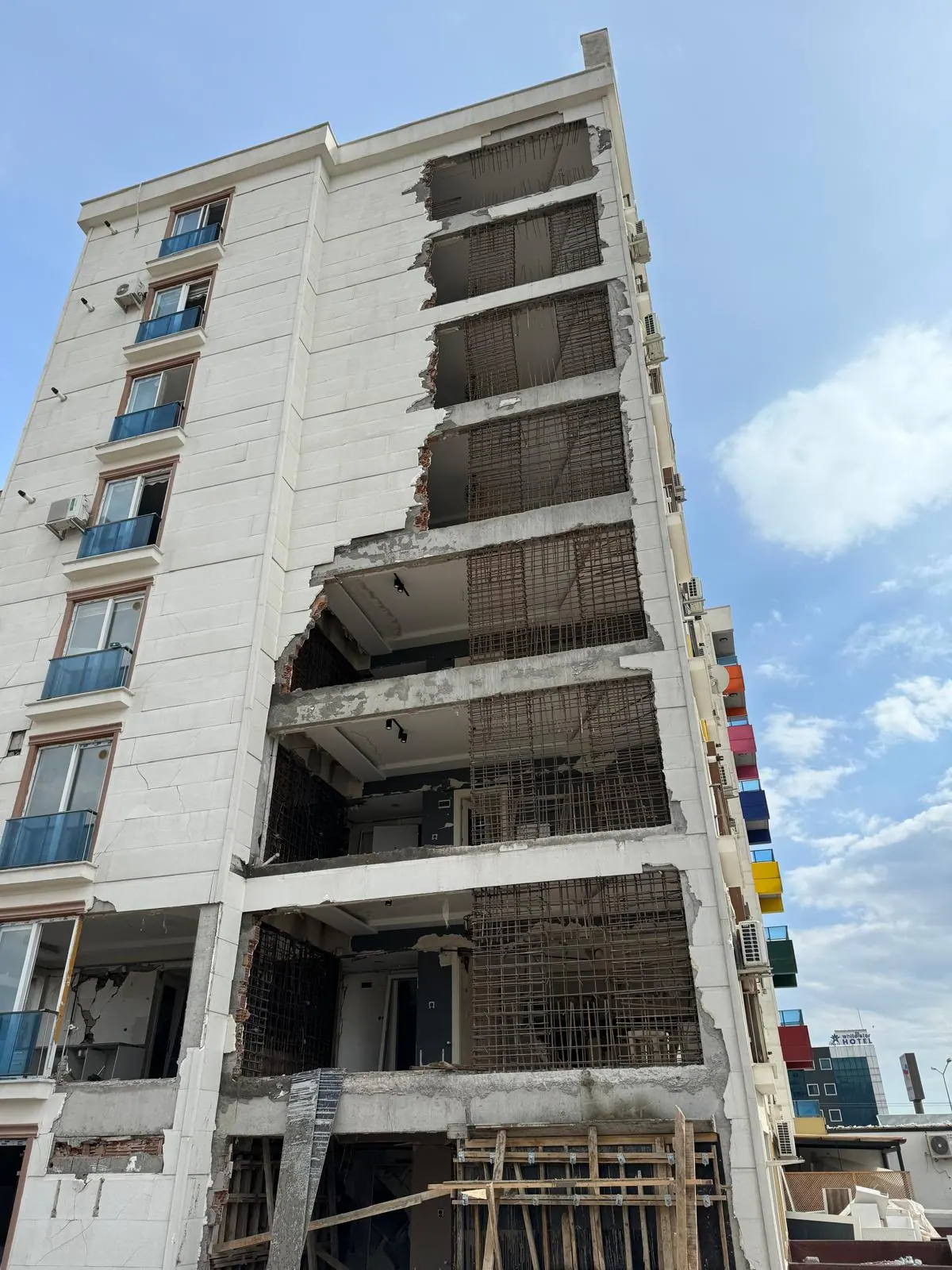
Transformation without demolition

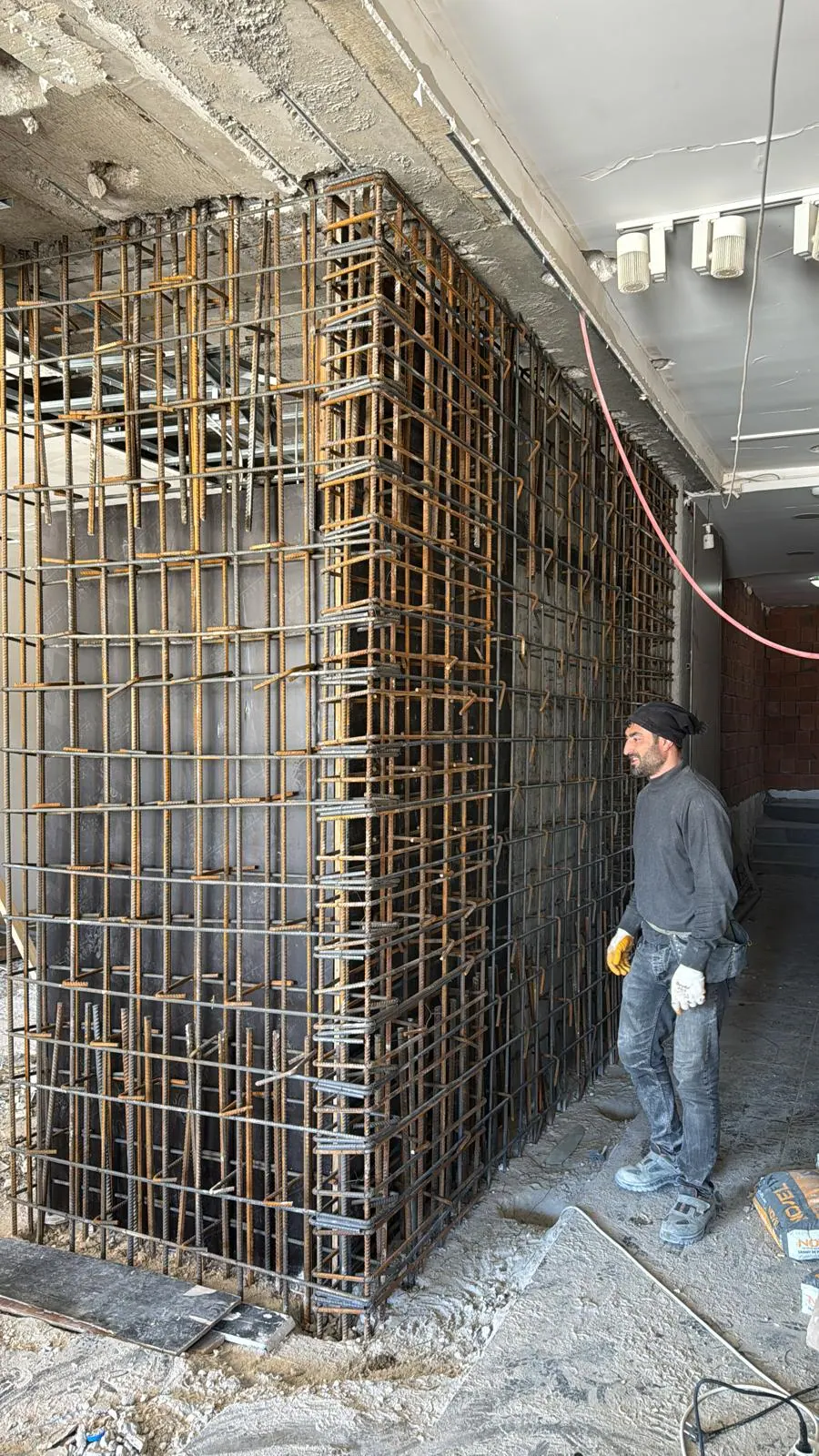
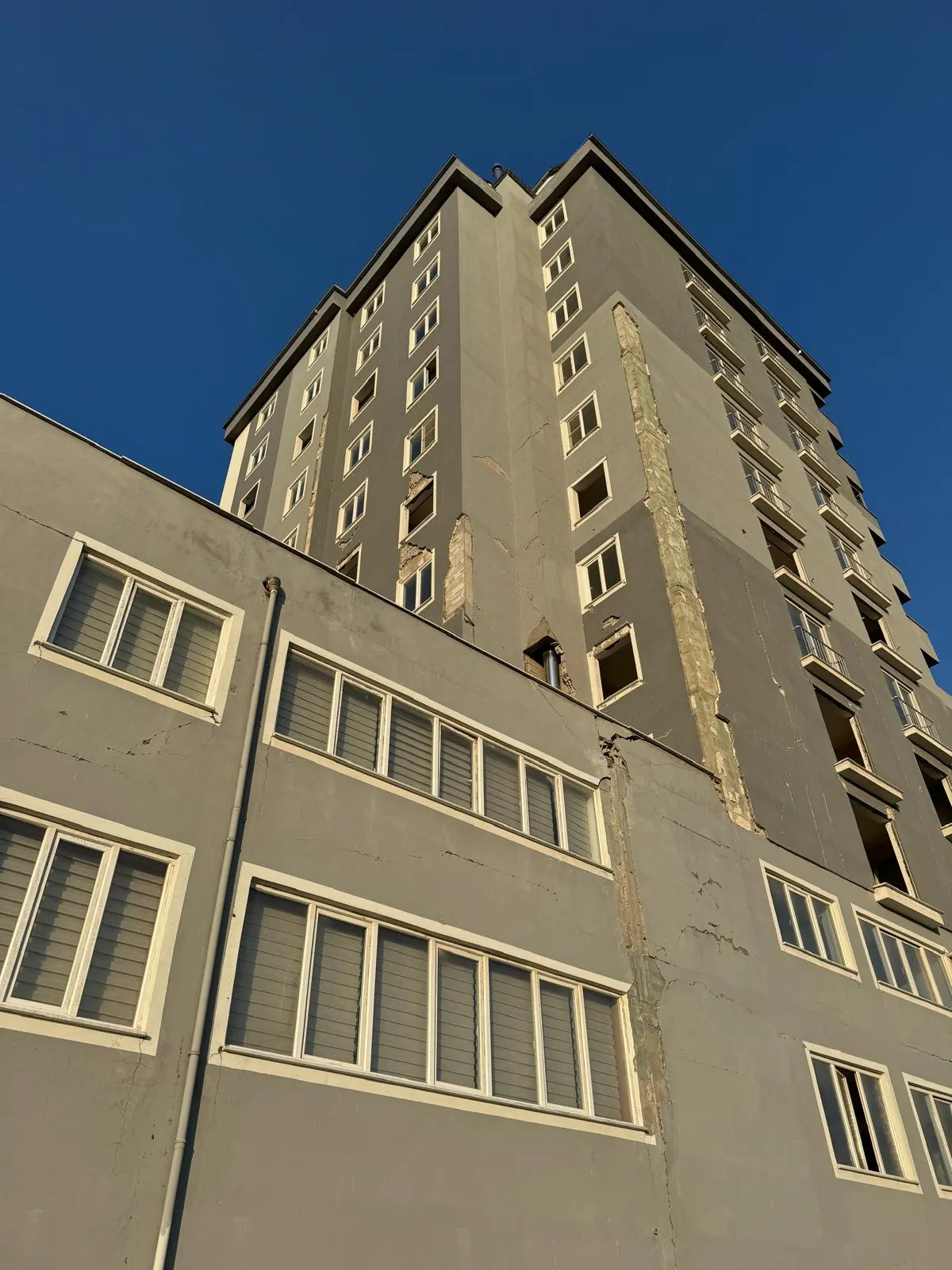
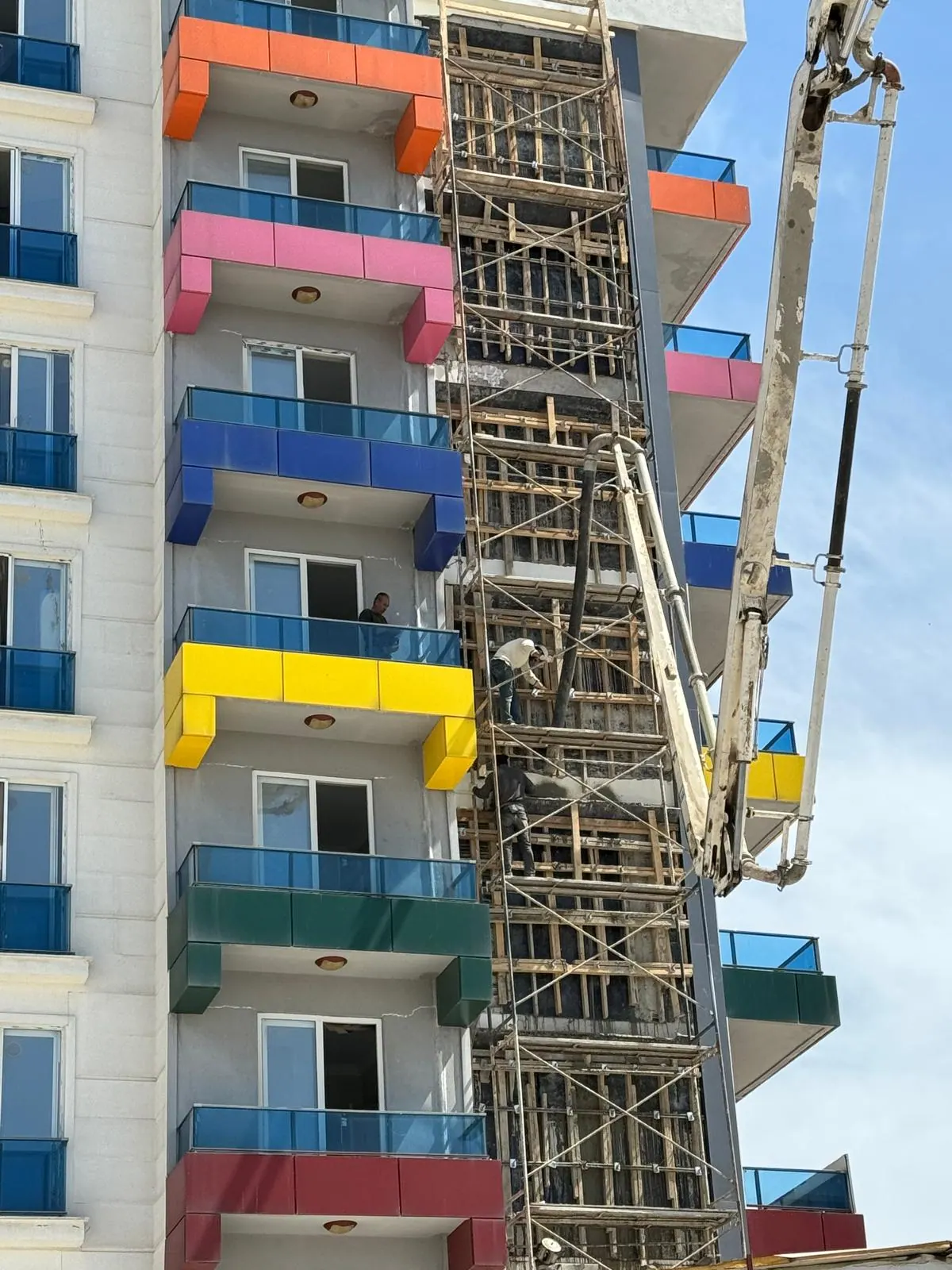
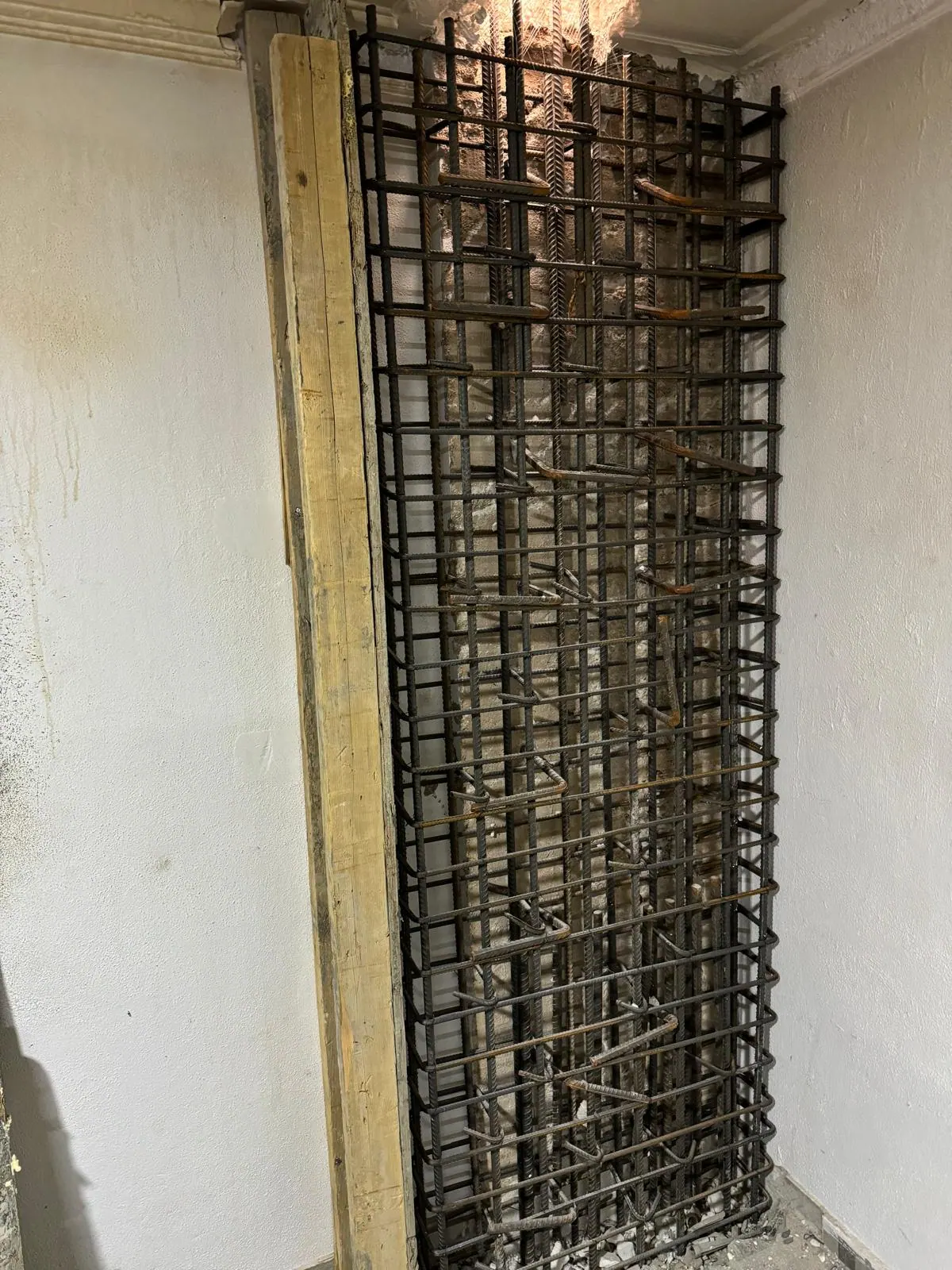
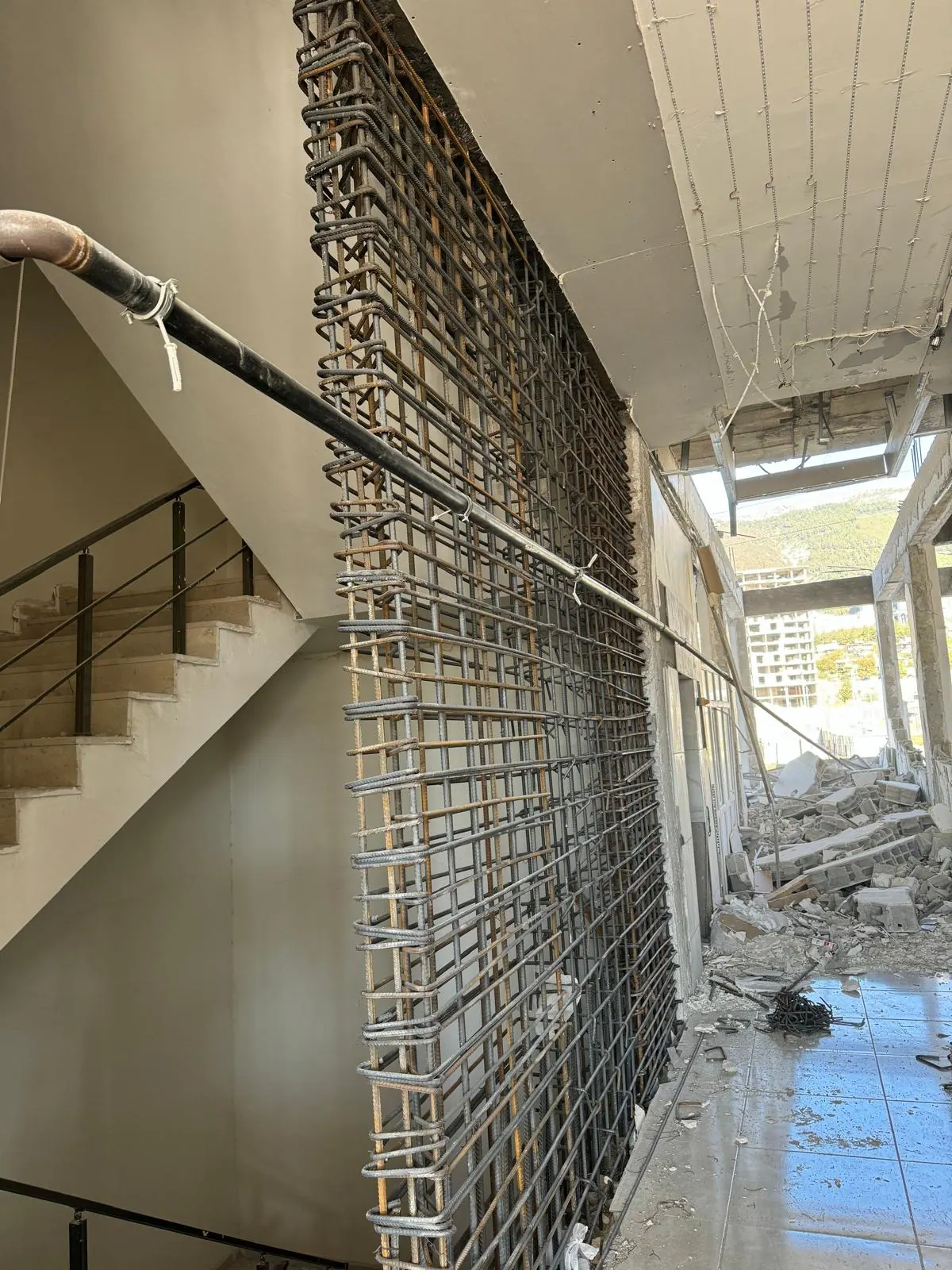
Reinforced-concrete strengthening covers the full set of engineering interventions used to increase the load-bearing capacity and seismic resistance of existing structures. No single method fits every building; the choice is project-specific, weighing the existing structural system, damage pattern, building use and cost constraints. Meva1 runs strengthening design, permitting, application and quality control through one integrated team.

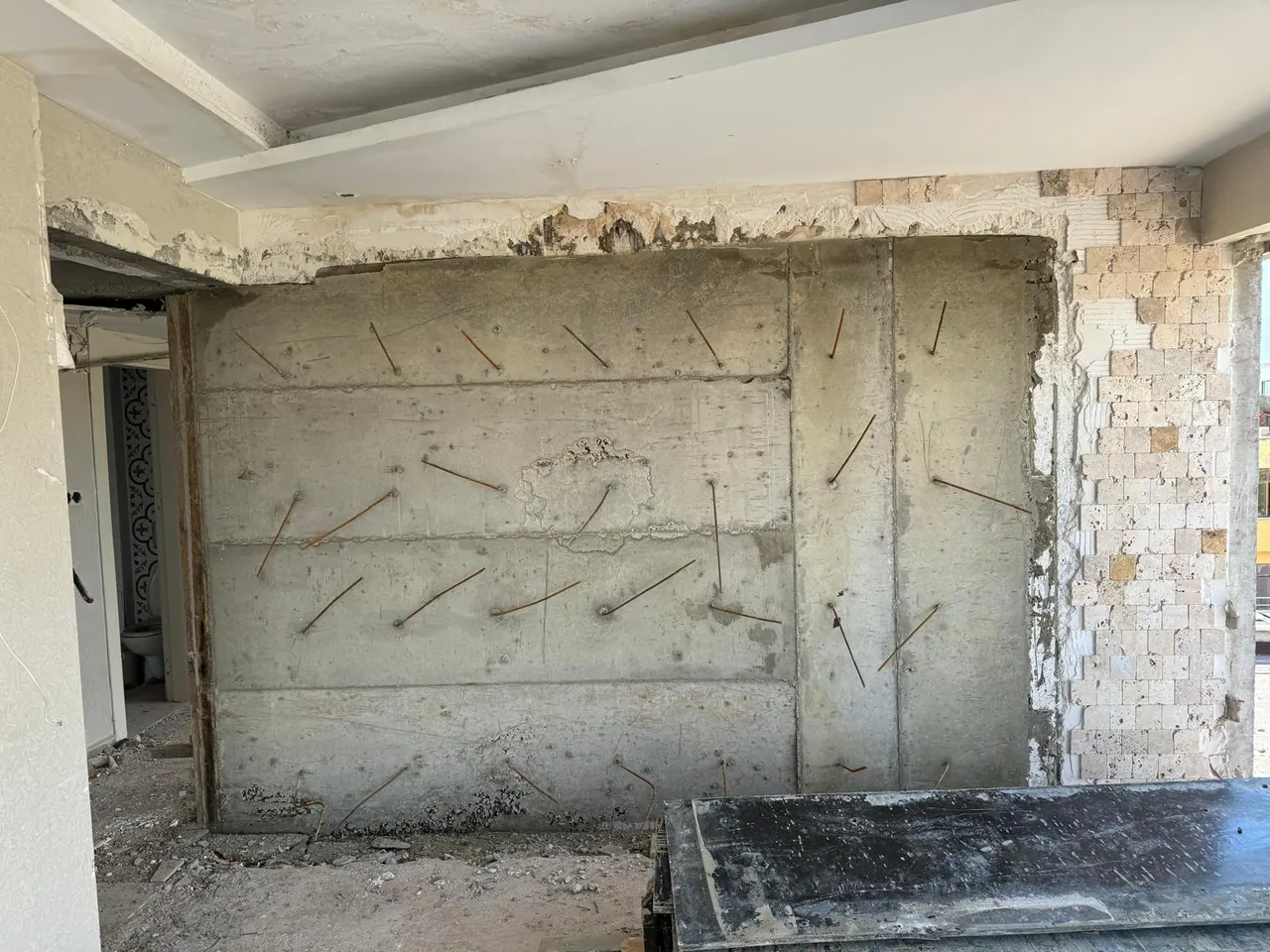
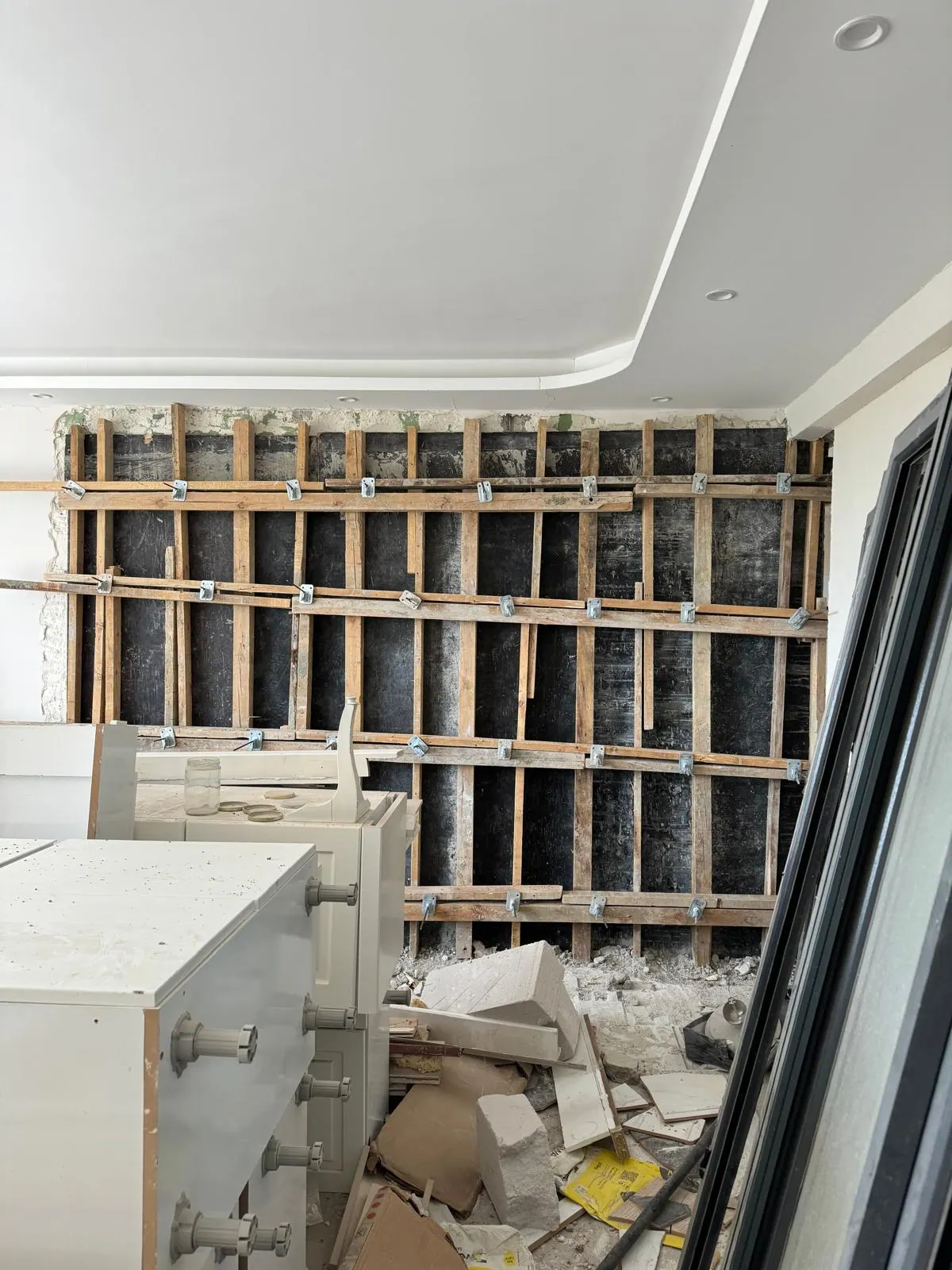
  • Jacketing and shear-wall addition
  • Steel collars and steel banding
  • FRP (carbon/glass) wrapping
  • Foundation reinforcement and mini-piles
  • Connection detail improvement
Methods

Project-specific solutions for every structure

No single method fits every building. We select the optimal combination based on existing load-bearing system, damage profile, intended use and cost constraints.

  • Meva1 Mühendislik building strengthening work — field photo 8

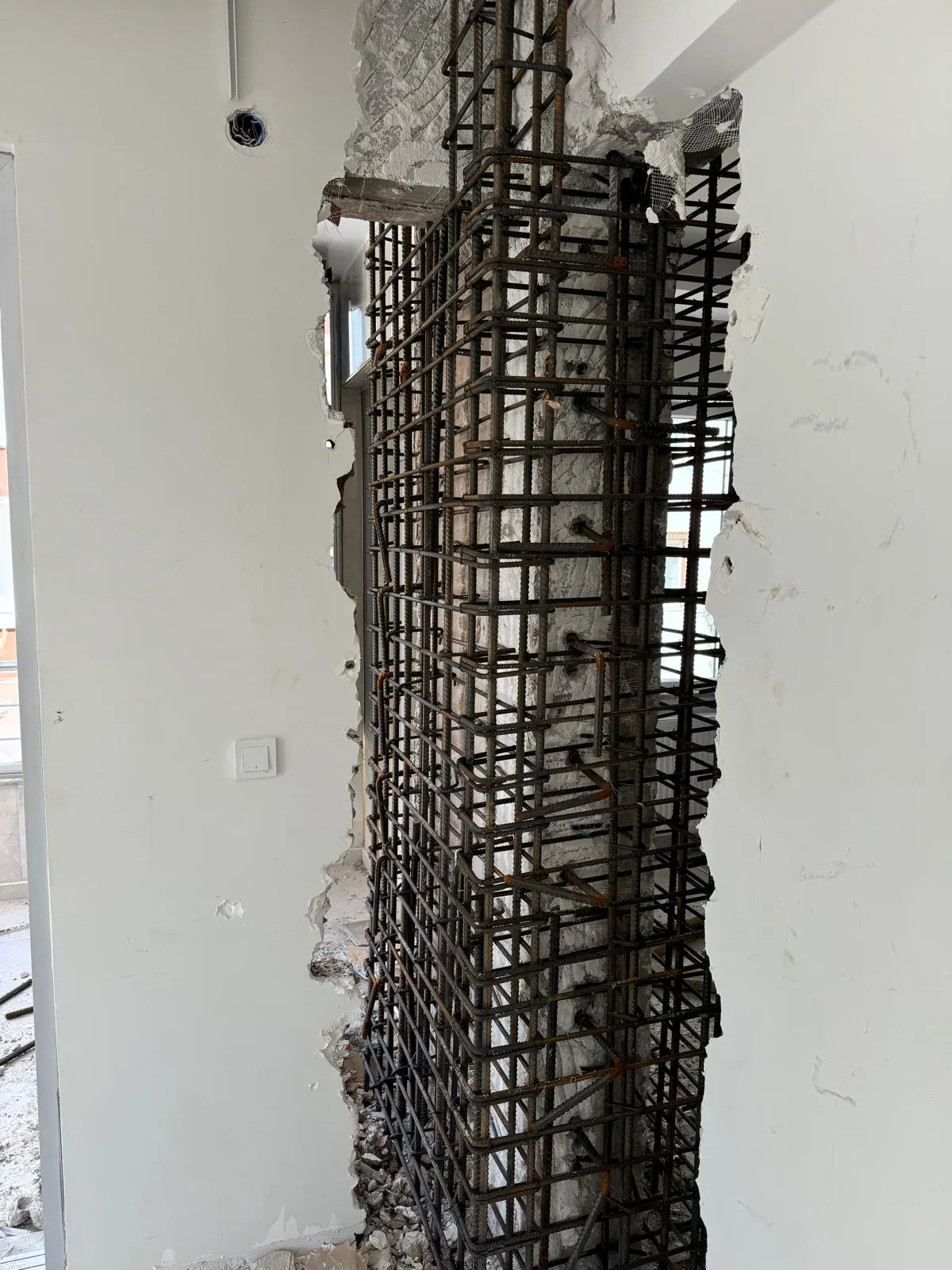
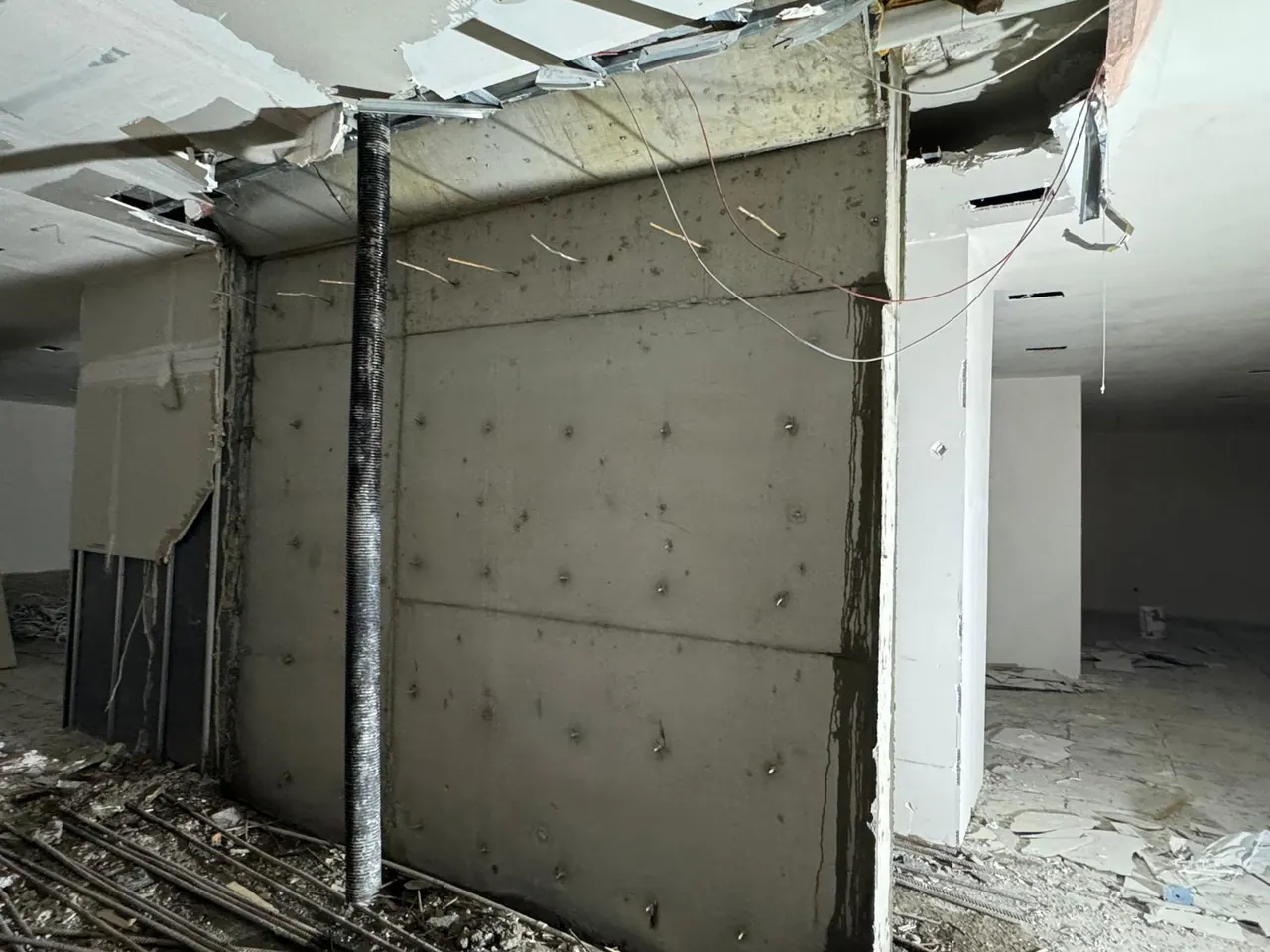
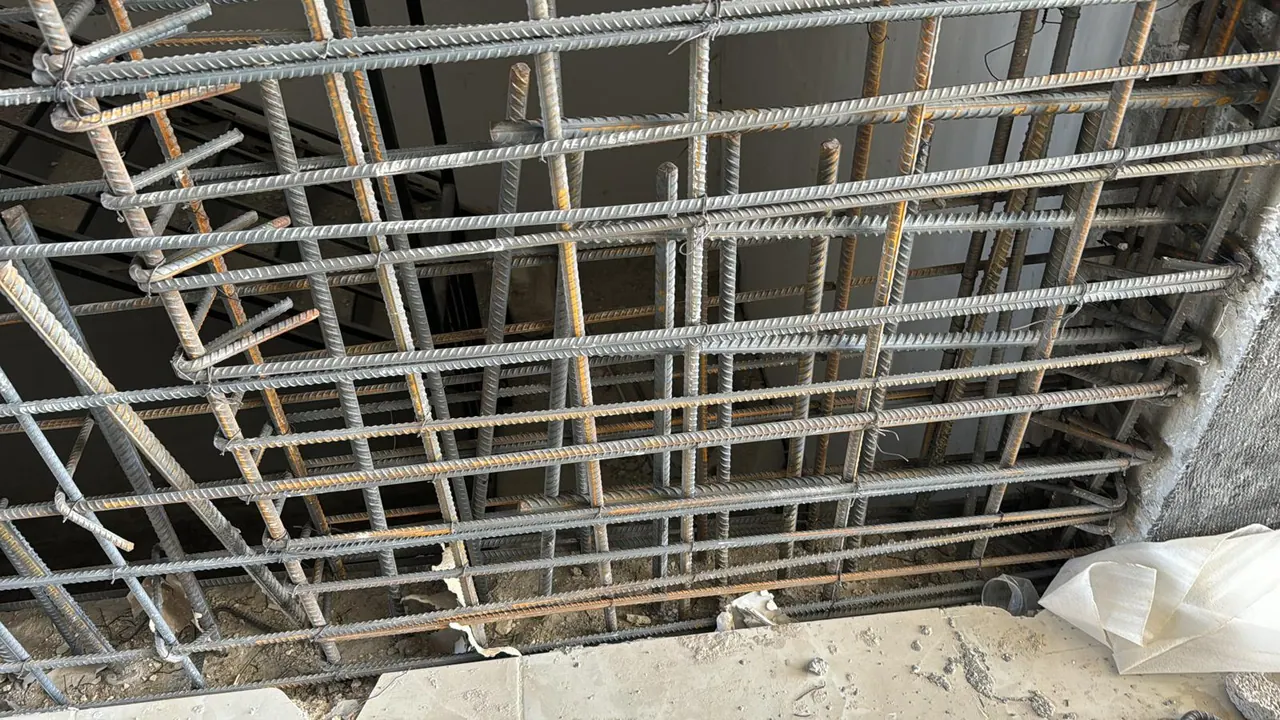
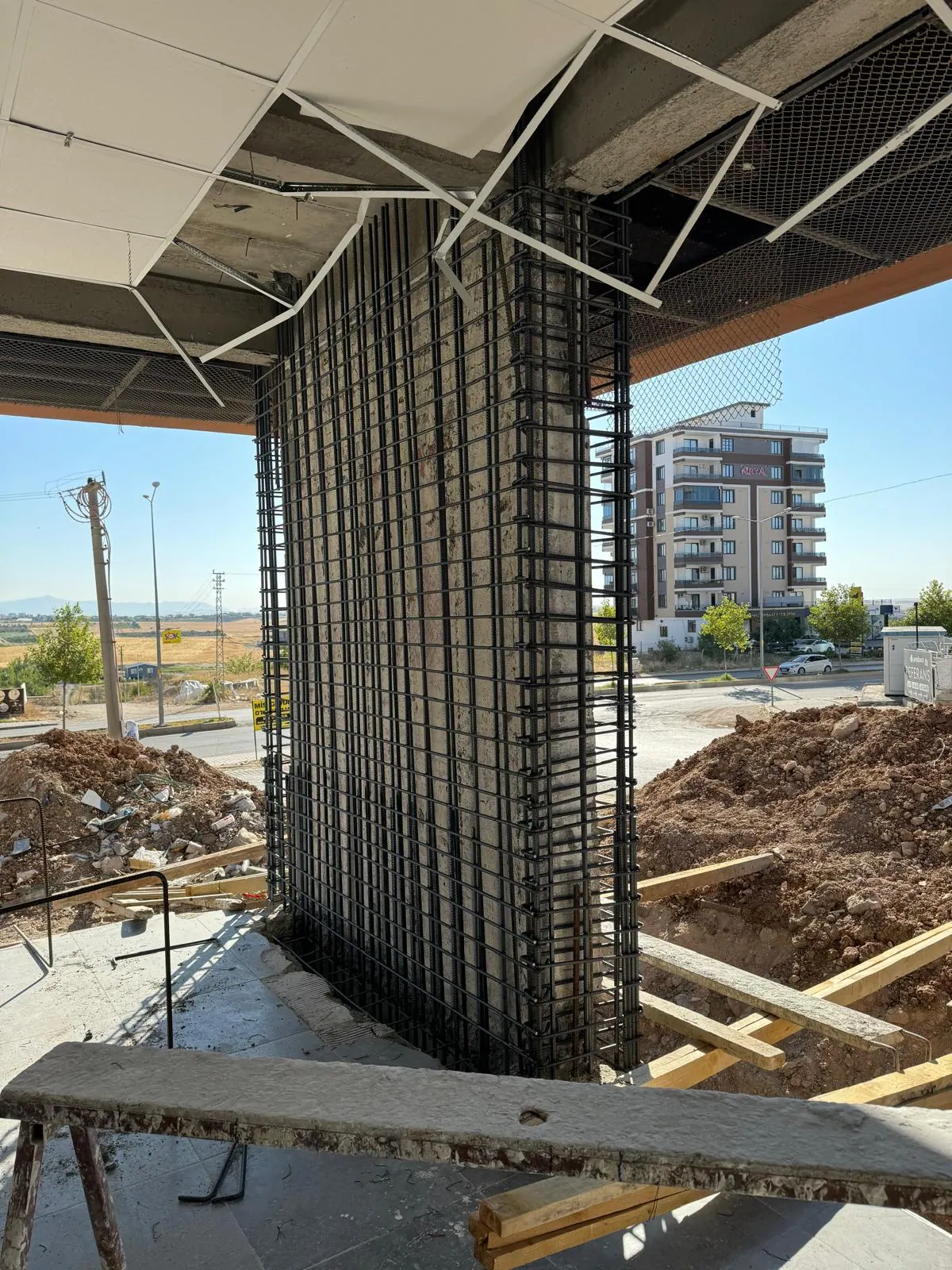
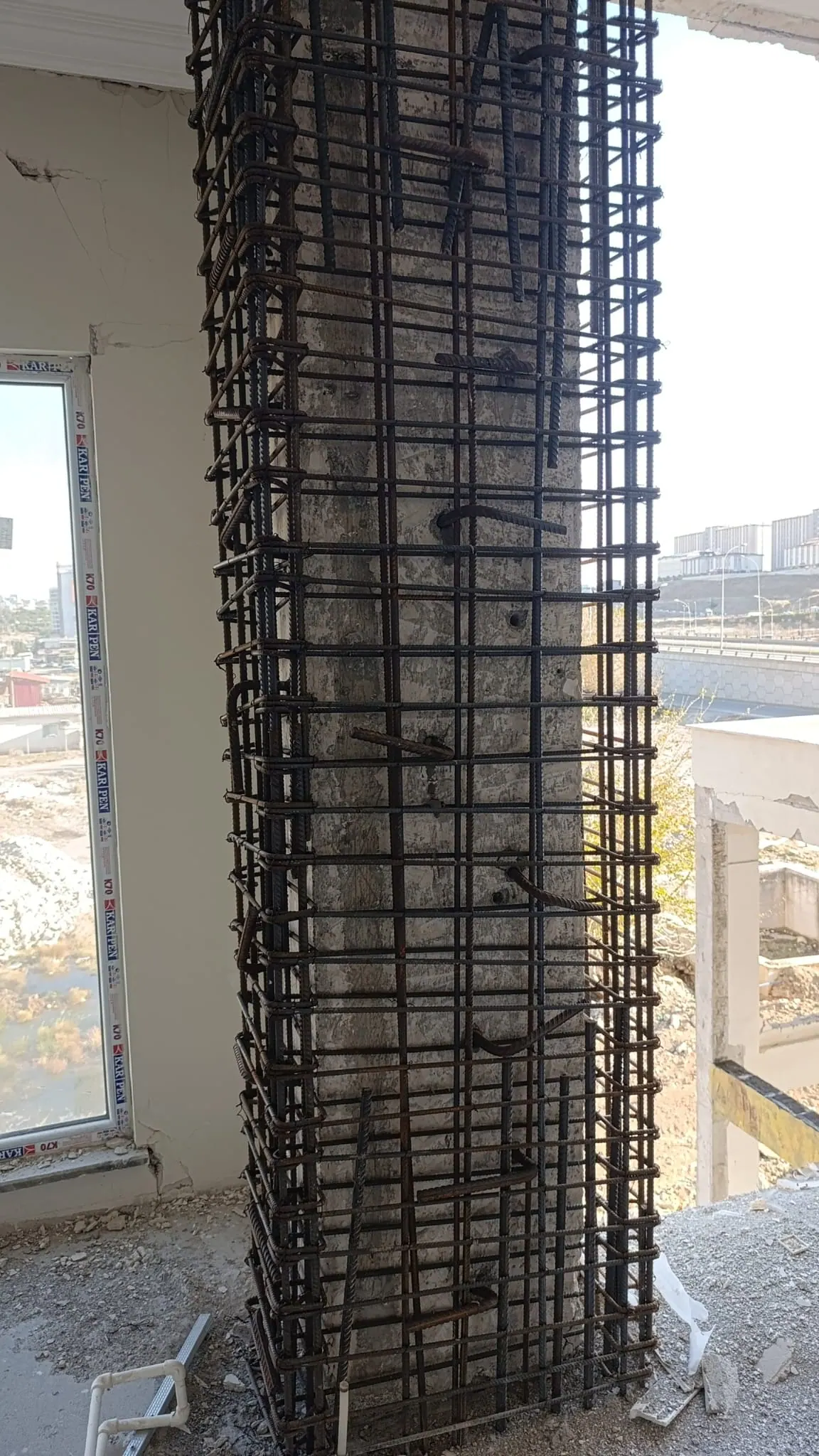
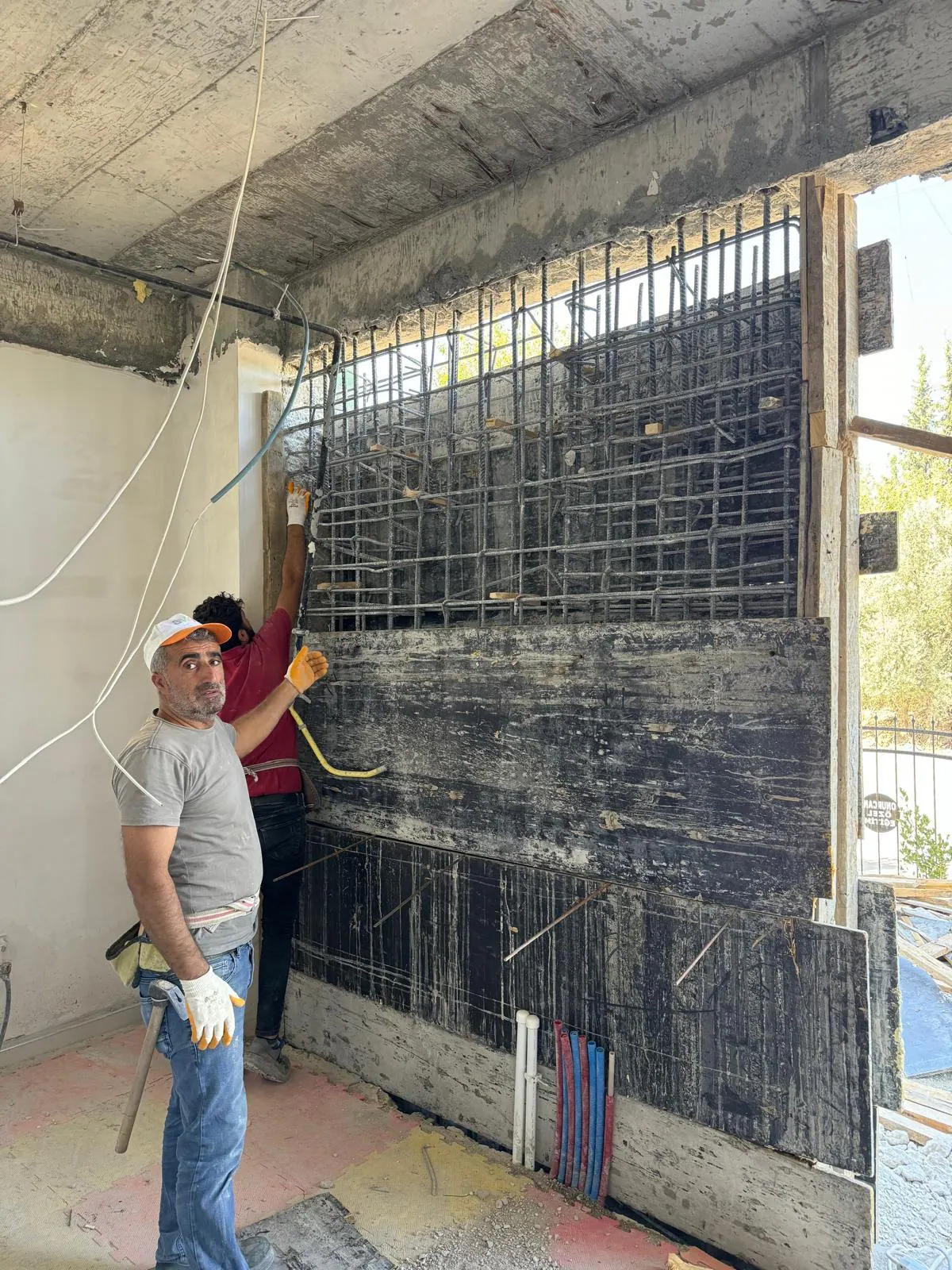
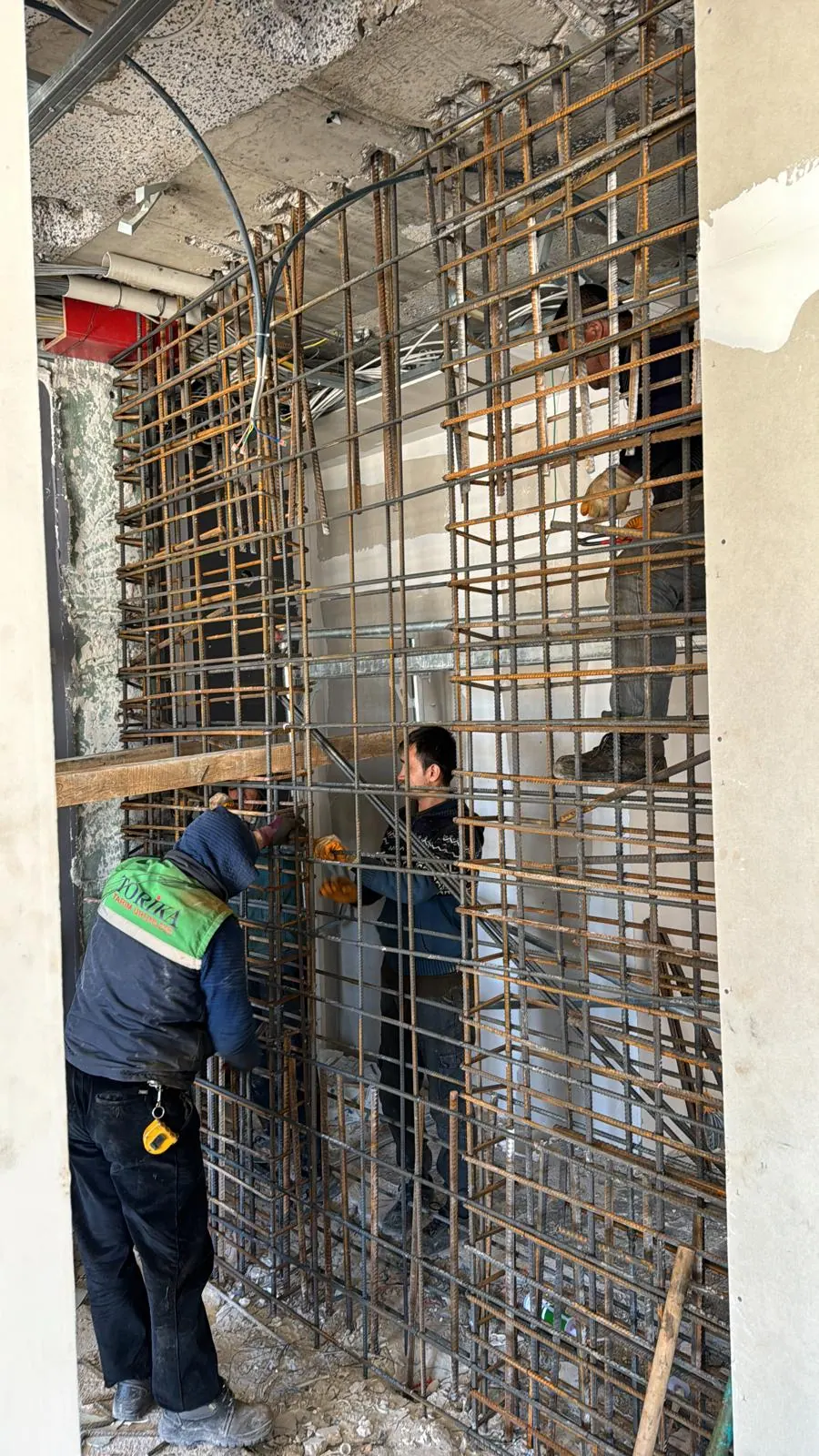
    Reinforced Concrete Jacketing

    Enlarging existing column and shear-wall sections with high-strength concrete jackets — the most common and cost-effective method.

  • Meva1 Mühendislik building strengthening work — field photo 35

    FRP (Carbon/Glass) Wrapping

    Increasing column shear and flexural capacity via carbon fibre fabric — minimal weight impact, rapid application.

  • Meva1 Mühendislik building strengthening work — field photo 60

    Steel Belts and Brackets

    Perimetral steel-profile belts around the structural system — especially for minarets, arches and special structures.

  • Meva1 Mühendislik building strengthening work — field photo 88

    Foundation Reinforcement & Mini Piles

    Enlarging existing foundations from below or the side, adding mini piles — improving bearing capacity on weak soils.

Process

Controlled engineering from design to delivery
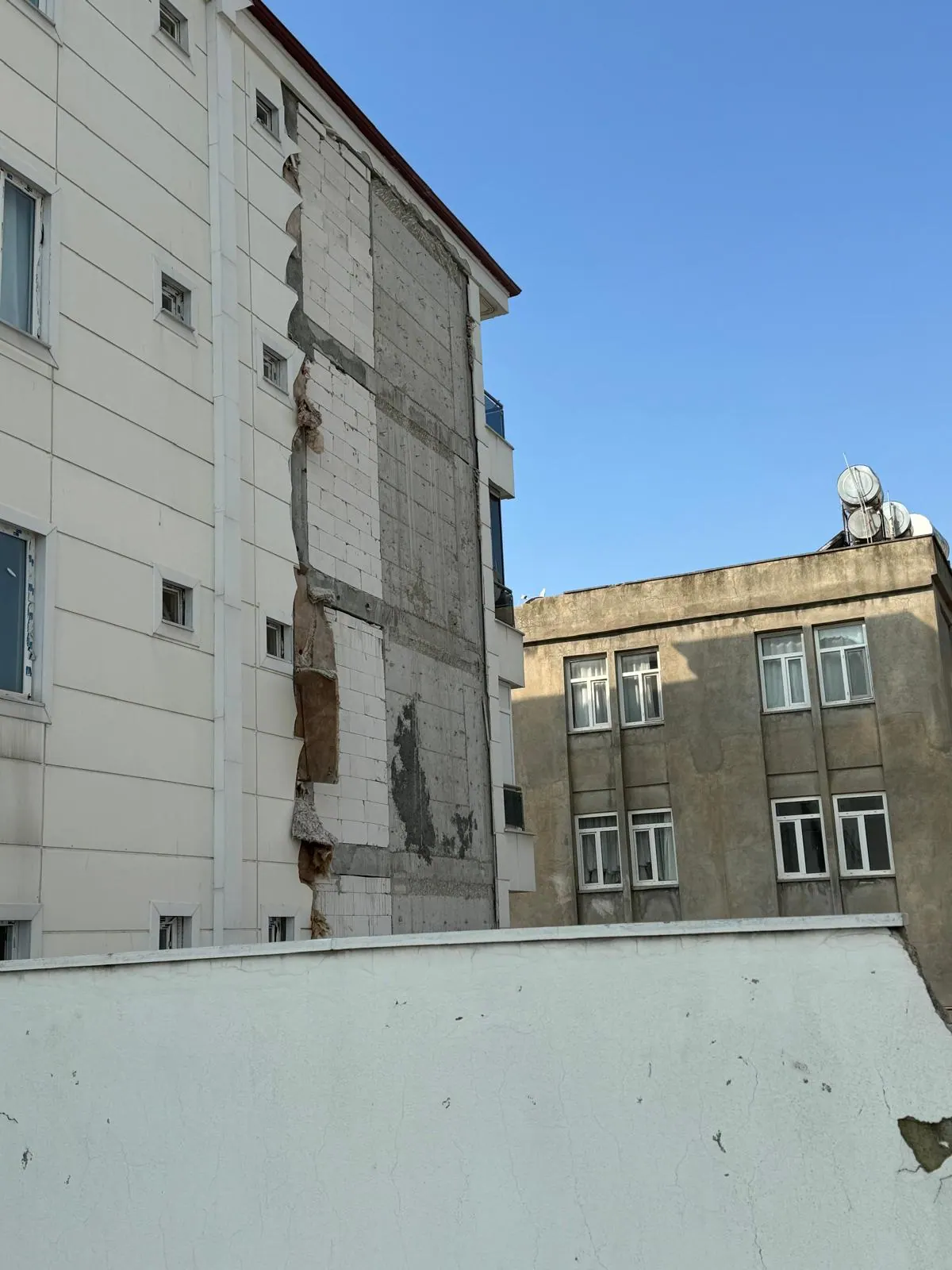
Meva1 Mühendislik building strengthening work — field photo 14
01

Method Selection

Based on the results of the performance analysis, we choose the solution that delivers the highest gain in resistance with the least intervention. Jacketing, shear-wall addition, steel banding, FRP wrapping and foundation reinforcement are weighed against building use, economics and application time.
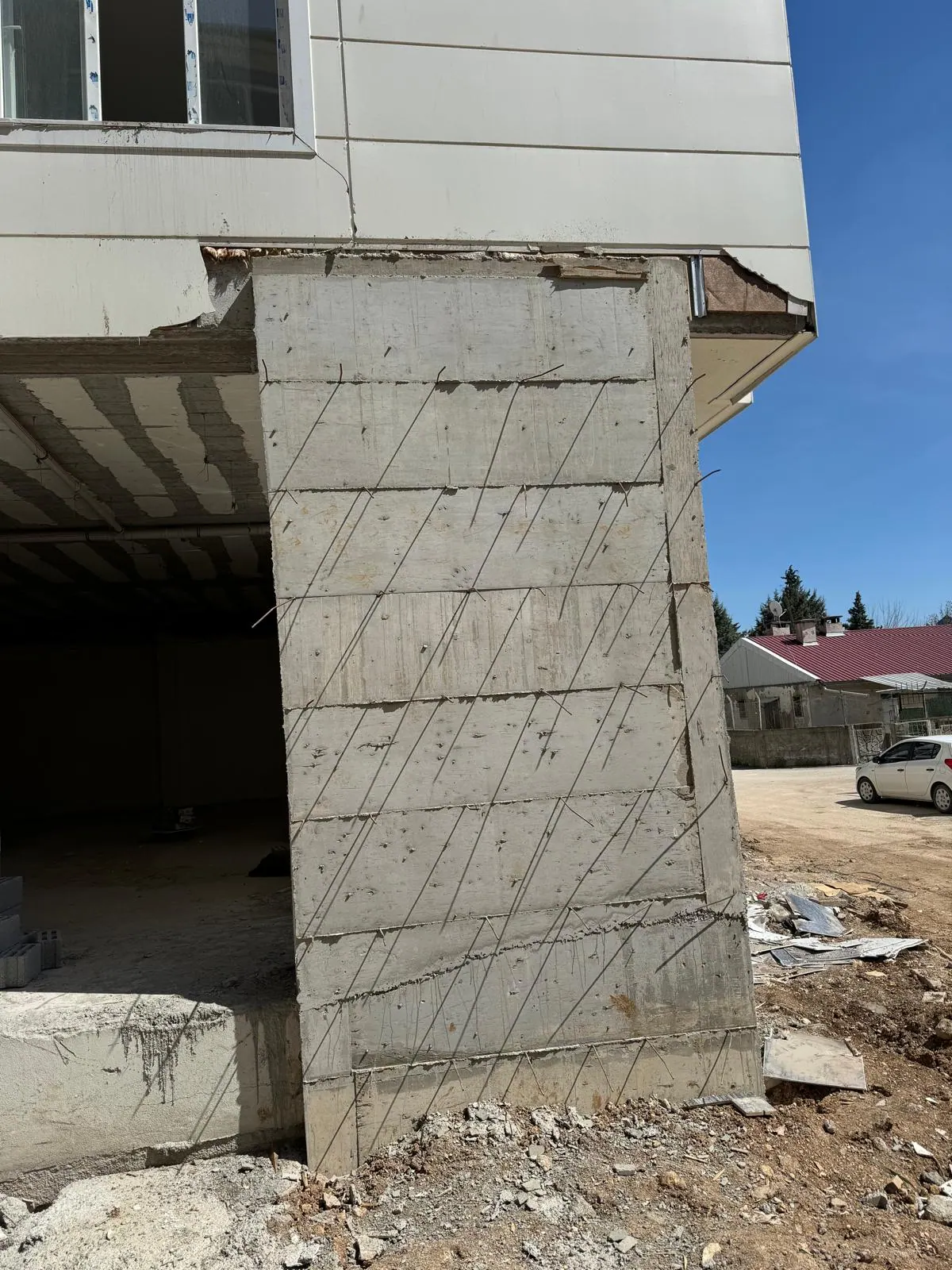
Meva1 Mühendislik building strengthening work — field photo 45
02

Material Quality

Concrete, mortar and rebar samples used in strengthening work are tested in our own building materials laboratory. Site pours are cross-checked against laboratory results to document that target strength is achieved. Pours below target are rejected.
Meva1 Mühendislik building strengthening work — field photo 72
03

Application Discipline

Strengthening is a more sensitive discipline than conventional construction. Surface preparation, rebar layout, segregation-free concrete pours and proper curing are essential. Our site team double-checks application details with the design engineer on every visit.
Meva1 Mühendislik building strengthening work — field photo 100
04

Building Use

Wherever possible we run a strengthening program without evacuating the building — floor by floor or façade by façade. This minimizes disruption to daily life in homes, schools, hospitals and offices.
Meva1 Mühendislik building strengthening work — field photo 125
05

Verification

After strengthening, the building is remodeled in 3D and the performance level is documented. The report handed to the owner clearly shows the post-strengthening behavior of the structure under the 475-year earthquake.

Evidence

Verification in our own laboratory

We test the concrete, mortar and reinforcement samples used in strengthening in our own construction materials laboratory. Field pours are cross-checked against lab results; target strength is documented.

  • Concrete compressive strength + core tests
  • Reinforcement tension + bending tests
  • Adhesion and surface-preparation quality control
Meva1 Mühendislik building strengthening work — field photo 5Meva1 Mühendislik building strengthening work — field photo 50
On site

Frames from our strengthening work

  • Meva1 Mühendislik building strengthening work — field photo 18
  • Meva1 Mühendislik building strengthening work — field photo 30
  • Meva1 Mühendislik building strengthening work — field photo 42
  • Meva1 Mühendislik building strengthening work — field photo 55
  • Meva1 Mühendislik building strengthening work — field photo 68
  • Meva1 Mühendislik building strengthening work — field photo 80
  • Meva1 Mühendislik building strengthening work — field photo 92
  • Meva1 Mühendislik building strengthening work — field photo 105
  • Meva1 Mühendislik building strengthening work — field photo 118
  • Meva1 Mühendislik building strengthening work — field photo 130
  • Meva1 Mühendislik building strengthening work — field photo 140
  • Meva1 Mühendislik building strengthening work — field photo 11
Why Meva1

One team, one laboratory, one accountability

  • Our Own Laboratory

    Field samples are tested the day they're taken — no waiting for external lab schedules.

  • 40+ Completed Projects

    Strengthening references across four regions of Turkey, led by Antalya/Alanya.

  • Design = Site = Control

    The team performing the analysis is the same team supervising application — no knowledge transfer loss.

  • Post-Delivery Guarantee

    Any post-delivery structural finding is resolved rapidly by the same team.

Sıkça Sorulanlar

Bina güçlendirme süreci hakkında merak edilenler

Bina güçlendirme ne kadar sürer?
Tipik bir 4–8 katlı betonarme bina için güçlendirme uygulaması, riskli yapı tespiti ve performans analizi aşaması dahil 3–6 ay arasında değişir. Mantolama ağırlıklı projelerde 8–14 hafta, FRP sargı uygulamalarında 4–8 hafta gibi pratik bant aralıkları görülür. Süreyi belirleyen başlıca faktörler: bina kat sayısı, eksen sayısı, mevcut donatı durumu, çalışma saatleri kısıtı (oturulu/oturuluyor), TBDY 2018 madde 15.5 kapsamında istenen performans hedefi (Kontrollü Hasar / Sınırlı Hasar).
Güçlendirme yaptırırken evi boşaltmak zorunda mıyım?
Çoğu projede zorunlu değil. Mantolama ve FRP sargı gibi yöntemler bölge bölge ilerletilebilir; oturanlar dönüşümlü olarak güvenli bölgelere kaydırılır. Ancak temel takviyesi, püskürtme beton perde uygulaması veya kapsamlı kolon güçlendirmesi gerektiren ağır müdahalelerde geçici tahliye (4–8 hafta arası) önerilir. Yerinde Dönüşüm modelinde bu süre planlama aşamasında netleştirilir ve sözleşmede yer alır.
Güçlendirme maliyeti yıkıp yeniden yapmaktan daha mı ucuz?
Evet, çoğu durumda %40–60 daha düşüktür. 2026 itibarıyla, betonarme bir binanın metrekare yıkıp yapım maliyeti 22.000–35.000 TL bandındayken, kapsamlı güçlendirme (mantolama + FRP + temel takviyesi dahil) metrekare 9.000–16.000 TL aralığında kalır. Bunun yanı sıra güçlendirme, mevcut iskan ruhsatını ve kat irtifakını koruduğu için yeniden ruhsatlandırma ve dönüşüm finansman süreçlerini eler. Mali kıyaslama her zaman performans analizinin ortaya koyduğu müdahale yoğunluğuna bağlıdır.
Hangi binalar güçlendirilebilir, hangileri yıkılmalıdır?
TBDY 2018 madde 15.10 kapsamında Performans Analizi sonucunda binanın Kontrollü Hasar performans seviyesine güçlendirme ile çıkarılabildiği durumlarda güçlendirme uygundur. Genelde 4–8 katlı 1975–2000 yılları arası betonarme binaların büyük bölümü güçlendirilebilir. Beton dayanımı 8 MPa altında, ciddi yapısal hasarı olan, taşıyıcı düzeni bozuk veya zemin etüdü zayıf zeminde temel oturma problemi olan binalarda yıkım daha rasyonel olur. Karar süreci performans analizi raporuna dayanır — tahmine değil.
Güçlendirme sonrası bina ne kadar dayanıklı olur?
TBDY 2018 madde 15 kapsamında uygulanan güçlendirme, binayı 475 yıllık dönüş periyotlu deprem (DD-2 düzeyinde) altında Kontrollü Hasar performans seviyesinde tutmayı hedefler. Pratik olarak: M7.0+ büyüklüğünde bölgesel bir depremde yapısal kollaps olmayacak, can güvenliği korunacak ve onarımla tekrar kullanılabilir bir bina kalacaktır. Bu, yeni yapım binalarla aynı performans hedefidir.
FRP karbon fiber sargı güvenli mi, ne kadar dayanır?
ACI 440.2R standardı kapsamında uygulanan karbon fiber sargı (CFRP), çelik donatıdan 5–7 kat daha yüksek çekme dayanımına sahiptir ve doğru epoksi sistemi ile uygulandığında 50+ yıl servis ömrüne ulaşır. UV ve nem etkilerine karşı koruyucu kaplama eklenir. Tek dezavantajı: yüksek sıcaklık (>80°C) altında epoksi yapışkanın bozulmasıdır; bu nedenle FRP üzeri yangın koruyucu sıva veya alçıpan ile kaplanır.
İletişim

The safety of your building is the security of your future

Get in touch to assess your building's seismic performance, to begin your urban transformation process, or to run sample testing at our own building materials laboratory.

Building Strengthening — Seismic Retrofitting Engineered to TBDY 2018

Performance-based seismic analysis first

No building strengthening scheme leaves our office without a calibrated structural model. We run non-linear seismic performance analysis per TBDY 2018, applying region-specific design spectra and the controlled-damage performance objective for residential occupancies.

Inputs to the model are not assumed. Concrete strength, rebar yield and masonry properties are measured in our building materials laboratory from samples taken during the existing building condition assessment.

FRP composite strengthening

For columns with insufficient confinement or beams short on shear capacity, FRP repair and strengthening with carbon fibre wraps is often the least invasive option. Surfaces are prepared, primer and saturant applied per the manufacturer's system data sheet, and overlap lengths verified against the design.

FRP is also used for slab strengthening, masonry wall confinement and post-earthquake earthquake retrofit of damaged elements, where adding mass would worsen seismic demand.

Concrete jacketing and steel mantling

When global stiffness and strength deficits dominate, the right answer is usually reinforced concrete jacketing of columns and shear-wall additions, sometimes combined with steel mantling of critical members. These interventions transform an existing irregular frame into a system that behaves predictably under design earthquakes.

Detailing follows TBDY 2018 and TS 500 requirements for confinement, lap splices and anchorage. All works are supervised by the same engineer who signed the analysis, ensuring continuity between calculation and field reality.

In-place transformation for occupied buildings

Many of our clients cannot vacate during works. We sequence in-place transformation floor by floor, isolating dust and noise, and stage interventions so the building remains habitable. This is a real alternative to demolition under Law 6306 when the structural system can be brought up to code.

For more extensive cases, our urban transformation route covers demolition and rebuild.

Documentation and acceptance

Every retrofit ends with a documentation package: as-built drawings, material certificates, laboratory test reports and an engineer's statement of compliance. This package is what a future buyer's due-diligence engineer or an insurance underwriter will ask to see. Talk to our engineering team to scope a retrofit on your own building.